Game Rivalries Explained: Why Gamers Pick Sides
GAMERATER GUIDE
GAME RIVALRIES
 #1
 #2
 #3
 #4
 #5
Gamers love a fight. Mario or Sonic. PlayStation or Xbox. Skyrim or The Witcher 3. Ask someone which side they are on and you will usually get an answer before you finish the question. Here is why rivalries form, what makes a good one, and why they are such a fun way to talk about games.
Why rivalries exist
Two games or systems go after the same players, the same free evenings and the same money. Most of us can only buy one thing at launch, so choosing becomes part of who we are. Pick a side early, and you start defending it without even trying. It is the same instinct that makes people loyal to a sports team.
What makes a great rivalry
- Same audience. The two sides compete for the same people. A tiny puzzle game and a huge shooter do not fight, because nobody has to choose between them.
- Clear contrast. Each side feels different. Fast against polished, gritty against colorful, deep against easy to pick up. Fans need something to point at.
- Good timing. The best rivalries peak when both sides are strong at the same moment, so the argument is a real one and not a lopsided one.
- Loud fans. A rivalry stays alive because people keep arguing about it long after the sales numbers are old news.
A few that shaped gaming
Mario vs Sonic. In the early 90s this was the fight on every school bus. Nintendo's Mario was careful and polished, while Sega pushed Sonic as the fast, cooler option. The two companies spent years going back and forth, and a whole generation grew up on one side or the other.
Street Fighter vs Mortal Kombat. Both fighting games, both huge in arcades, and both with fans who still insist theirs was better. One was about precise moves and mind games. The other was about shock, blood and attitude. You can read how the two stack up on the Rivals page.
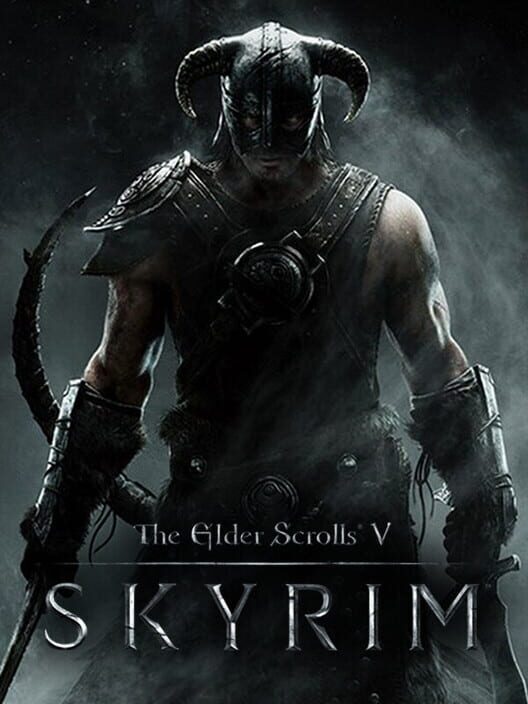
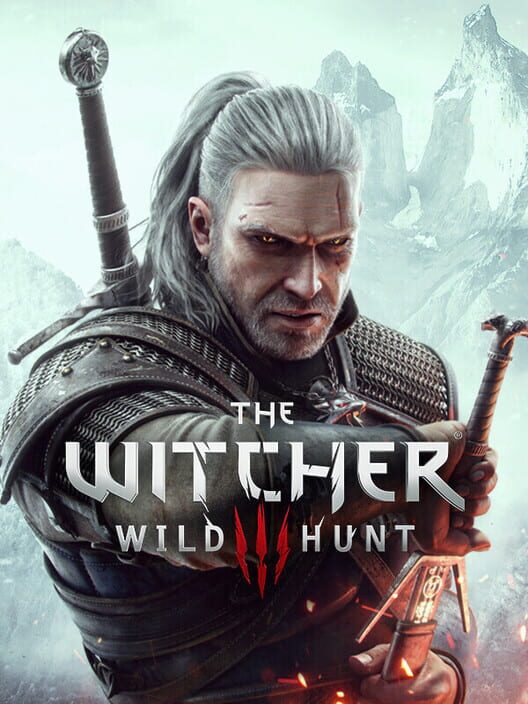
Skyrim vs The Witcher 3. Two giant fantasy RPGs that people have played for hundreds of hours each. One lets you be anyone and go anywhere. The other tells a tighter story with a set hero. Fans argue about whether freedom or story matters more, and neither side has ever fully convinced the other.
Call of Duty vs Battlefield. Two shooters with different ideas about fun. Call of Duty is quick, tight and built around fast rounds. Battlefield is wide, loud and built around big messy battles. The argument is really about what a shooter should feel like.
Are rivalries good for gaming?
Mostly, yes. Competition pushes developers to improve, and it gives players something to care about between releases. The problem only starts when a friendly debate turns into hostility. A good rivalry is one where you can lose the argument and still laugh about it.
How to settle yours
Arguments in comment sections never end, because nobody ever counts the votes. That is the whole idea behind Gamerater. Two games, one pick, and a whole community doing the same thing, so the answer comes from the crowd and not from whoever types the loudest.